



Treatment adherence in mental illness is not just about willpower
In bipolar disorder and schizophrenia, treatment adherence depends on insight, family support, trust in medication and the doctor-patient relationship.


Bilge Türk | Medicentert Tv
ISTANBUL, Türkiye — Continuing treatment in bipolar disorder and schizophrenia is not only a matter of willpower; it is closely linked to illness awareness, social support and the quality of the doctor-patient relationship.
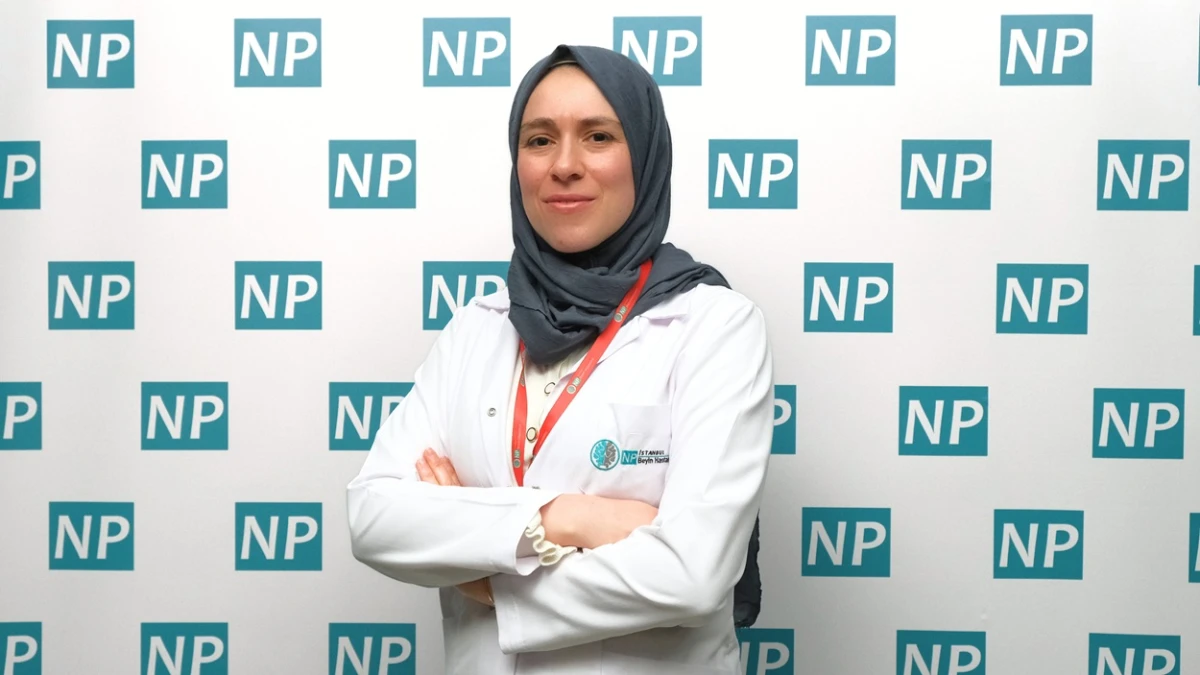
Psychiatrist Asst. Prof. Elvan Çiftçi said treatment adherence in severe mental illnesses should be understood as a complex clinical issue rather than a simple question of whether a patient “wants” to take medication. According to Çiftçi, insight into the illness, beliefs about medication, substance use, family support and therapeutic alliance all play a role in whether treatment can be maintained over time.
Treatment adherence is a clinical issue
For many people diagnosed with bipolar disorder or schizophrenia, the main challenge is not only receiving the diagnosis but continuing treatment consistently over the long term. Medication schedules, follow-up appointments and lifestyle adjustments may become difficult, especially when symptoms fluctuate.
Çiftçi emphasized that non-adherence should not automatically be interpreted as resistance or lack of discipline. In many cases, the issue is related to whether the patient understands the illness, believes in the benefit of treatment and receives enough support from the people around them.


In this sense, treatment adherence is rarely a single-factor problem. It may be affected by side effects, fear of stigma, lack of insight, previous negative experiences with medication, substance use or weak communication with the treatment team.
Information alone may not be enough
In bipolar disorder, improving adherence does not simply mean giving the patient more information. Çiftçi noted that interventions helping patients understand their illness over time, reshape their beliefs about medication and develop self-management skills are more valuable.
Knowing the diagnosis, recognizing early warning signs and understanding the role of medication can make it easier for patients to remain engaged in treatment. However, this process usually requires repeated conversations, trust and individualized guidance.
In schizophrenia, the picture can be more complex. Çiftçi stated that no single intervention has shown strong and consistent effects for every patient. Instead, more effective outcomes are generally linked to personalized, multi-component approaches combining psychoeducation, behavioral strategies, family support and pharmacological treatment.


Illness insight strengthens commitment to care
Insight refers to a person’s awareness of their own illness and treatment needs. Çiftçi said insight improves medication adherence in both bipolar disorder and schizophrenia, though the association is stronger and more consistently observed in bipolar disorder.
In schizophrenia, insight has several dimensions. Clinical insight and cognitive insight may both contribute to adherence. A patient who better understands their symptoms and the need for treatment may also build a stronger relationship with their doctor.
That relationship is important because trust can influence how patients respond to recommendations, share concerns about medication and attend follow-up appointments. A strong therapeutic alliance can make treatment feel like a shared plan rather than an imposed obligation.
Family support can help or harm
Family involvement can improve treatment adherence, especially in schizophrenia, but only when the support is practical, continuous and collaborative. Çiftçi underlined that family support should not turn into pressure, criticism or control.
When families receive psychoeducation, they can better understand the illness, recognize relapse signs, encourage treatment and support daily functioning. Structured family interventions may also help reduce misunderstandings and improve communication at home.
However, family participation is not automatically beneficial. If relatives are overwhelmed, overly critical or poorly informed, the patient may feel judged or pressured. This can weaken cooperation and may even worsen adherence.
For this reason, family psychoeducation should be seen as a supportive intervention. Its role is to increase understanding, reduce conflict and create a more informed environment around the patient.
Long-acting injections may support continuity
In schizophrenia treatment, long-acting injectable antipsychotics may help improve continuity for some patients. Çiftçi said the major advantage of these treatments is medication certainty: once the injection is administered, daily missed doses become less likely.
Long-acting injections may also make it easier for clinicians to identify non-adherence, because missed appointments become more visible than missed daily tablets. This can help treatment teams intervene earlier when follow-up is interrupted.
Still, Çiftçi stressed that long-acting injections are not a “magic solution.” Patient acceptance remains essential. Satisfaction with the treatment, belief in relapse prevention and alignment with patient preference can all affect whether injections are continued.
The focus also shifts from daily self-administration to attending injection and follow-up appointments. If these appointments are missed, adherence can again become vulnerable.
Personalized care remains essential
Bipolar disorder and schizophrenia require long-term, individualized treatment planning. Medication is important, but adherence improves when the patient’s beliefs, family environment, social support and relationship with the clinician are also addressed.
Çiftçi emphasized that patients should not be judged when they struggle to continue treatment. Instead, the reasons behind non-adherence should be explored carefully and respectfully.
A sustainable treatment plan may include psychoeducation, family involvement, regular follow-up, medication adjustments and, when appropriate, long-acting treatment options. The goal is not only to prescribe treatment, but to help the patient remain connected to care in a realistic and supportive way.
MediCentertv.com
 Like
0
Like
0
 Dislike
0
Dislike
0
 Love
0
Love
0
 Funny
0
Funny
0
 Wow
0
Wow
0
 Sad
0
Sad
0
 Angry
0
Angry
0

Bilge Türk, MediCenterTV.com editörü, gazeteci ve yazardır. Sağlık, yaşam, bilim ve güncel gelişmeler üzerine içerikler hazırlayan Türk; doğru, anlaşılır ve toplum yararını gözeten habercilik anlayışıyla sağlık alanındaki gelişmeleri okuyuculara aktarmayı amaçlamaktadır.


















Comments (0)