



Separation Anxiety Can Make School Adjustment Difficult
Separation anxiety in children can complicate school adjustment. Learn about its emotional and physical signs, attachment issues, and expert advice for parents.


Separation Anxiety Can Make School Adjustment Difficult
MEDICENTER TV / ISTANBUL
As children begin their first days at school, many face difficulties separating from their parents, often showing both emotional and physical reactions. Experts warn that this period can bring intense crying fits, nausea, stomachaches, trembling, or sweating, which may signal school phobia or separation anxiety.
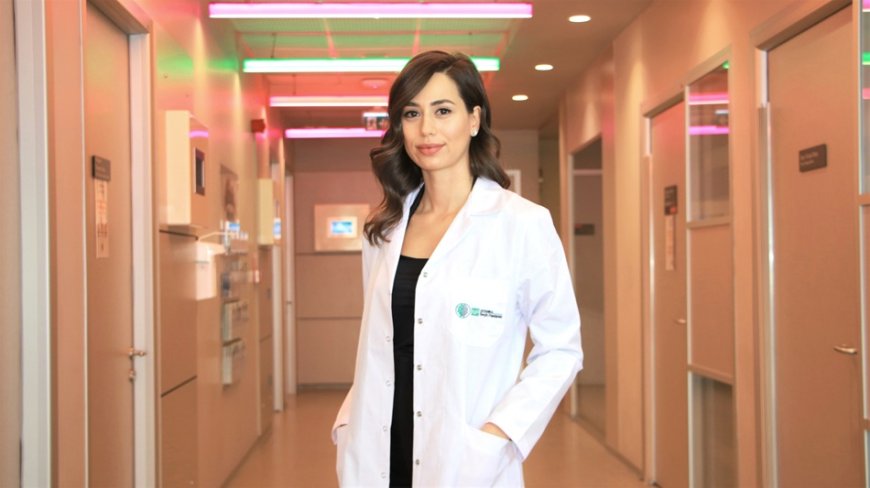
Ayşe Şahin, Clinical Psychologist at Üsküdar University NPİSTANBUL Hospital, emphasizes that “children with insecure attachment don’t struggle because they dislike school. Rather, they may worry something bad will happen to their parents or fear losing them.” She adds that secretly leaving a child or giving false information increases their anxiety, and instead, parents must remain consistent and reassuring.
Emotional and Physical Reactions May Indicate Separation Anxiety
“During the adjustment phase of preschool or elementary school, children can display strong emotional responses when parting from their parents,” says Şahin. While some cling tightly to their caregivers, others may exhibit physical signs such as nausea, abdominal pain, or trembling. According to Şahin, these symptoms may indicate separation anxiety, often linked to challenges in secure attachment.
Avoid Leaving Secretly or Giving False Reassurances
Şahin stresses that the root issue is not disliking school but fears about the parent’s safety or absence. “Leaving without telling the child or making untrue promises only heightens their anxiety,” she notes. Children should be clearly told that they will attend school and be picked up at a specific time, with parents following through consistently.


However, overly protective behaviors—such as temporarily withdrawing children from school, obtaining medical reports to delay attendance, or postponing until the next term—often make the issue worse. Şahin highlights that the main goal should be to help children start school as soon as possible.
Separation Crises May Signal Attachment Problems
Children who have intense crying fits during separation and struggle to calm down even when parents are nearby may show signs of insecure attachment. In such cases, Şahin strongly recommends seeking professional support to address the problem early.
The Critical Period for Secure Attachment: Ages 0–5
Securely attached children tend to feel safer, adapt more easily to new environments, and express themselves more confidently. In contrast, insecure attachment may lead to more frequent anger, aggression, and behavioral challenges.
Şahin explains: “Separation distress alone does not necessarily mean insecure attachment. Securely attached children can also feel upset when apart from their parents. The key factor is the intensity of their reaction. If a child cannot calm down even after being reunited, then insecure attachment may be involved.”


She adds that while the foundations of secure attachment are formed in early childhood (0–3, up to 0–5 years), these challenges can still be resolved later in life. With new relational experiences or therapy, individuals may rebuild secure attachment.
 Like
0
Like
0
 Dislike
0
Dislike
0
 Love
0
Love
0
 Funny
0
Funny
0
 Wow
0
Wow
0
 Sad
0
Sad
0
 Angry
0
Angry
0

Editör | Medicentertv.com, uzman doktorlar, psikologlar ve sağlık profesyonellerinin bilimsel görüşlerini; tıp dünyasındaki yenilikleri, hastane sektöründeki gelişmeleri ve güncel sağlık haberlerini doğru, tarafsız ve güvenilir habercilik anlayışıyla sunar. Uluslararası sağlık haberciliği ilkeleri doğrultusunda, resmî açıklamalar, yeni nesil sağlık uygulamaları ve tıbbi veriler analiz edilerek kamuoyuna aktarılır.


















Comments (0)