



Managing Exam Anxiety: Expert Advice Ahead of Turkey’s University Entrance Exam
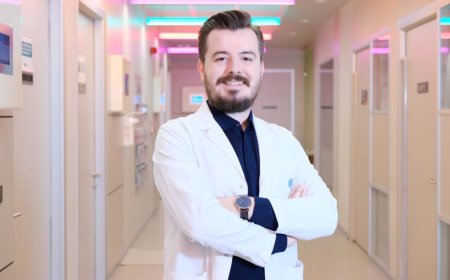
With Turkey’s university entrance exam around the corner, psychologist Dr. Gülgün Uzunoğlu Azman offers crucial advice on managing test anxiety. From sleep and nutrition to mindset and breathing exercises, her strategies help students face the big day with calm and clarity.



Managing Exam Anxiety: Expert Advice Ahead of Turkey’s University Entrance Exam
MEDİCENTER TV / TÜRKİYE
Focus on your strengths, not your weaknesses, says leading psychologist
With less than a month left until Turkey’s nationwide University Entrance Exam (YKS) on June 21–22, anxiety levels among students are rising sharply. Dr. Gülgün Uzunoğlu Azman, a psychology lecturer at Istinye University, urges students to shift their focus away from weak subjects and instead hone their strengths in the final stretch before the test. “Concentrating on what you already do well not only reinforces self-confidence but also helps maintain a positive perspective toward the exam,” she explains.
Stress is more than nerves—it’s how the mind interprets pressure
According to Dr. Azman, exam stress arises when individuals perceive the exam as a threat, triggering physiological, emotional, and cognitive reactions. These include excessive expectations from self or others, fear of failure, and perfectionism. Unrealistic study plans, last-minute cramming, and negative past academic experiences can further aggravate this stress.
Symptoms vary by individual, but common physical signs include digestive issues, sleep disturbances, fatigue, tension, and headaches. Mentally, students may experience forgetfulness, difficulty concentrating, unwanted thoughts, and emotional fluctuations ranging from fear to hopelessness.
Strategic time management starts now—not on test day
One key to staying calm under pressure, Dr. Azman says, is self-evaluation around time management. “Frequent mock exams help students identify which topics need further improvement and allow them to simulate real testing conditions, enhancing mental readiness.”


She advises students not to fixate on topics they haven’t mastered in the final days but to fine-tune what they already know. This boosts morale and allows for better performance under pressure.
Good sleep and nutrition keep the brain running
“Healthy body, healthy mind,” Dr. Azman emphasizes. Getting 7 to 9 hours of sleep consistently, sticking to a regular sleep schedule, and maintaining a balanced, colorful diet help reduce physiological symptoms of anxiety.
Other mental strategies include recognizing and reframing negative self-talk, taking short walks, practicing breathing exercises, and incorporating relaxing activities like music or art into daily routines.
On exam day: be fed, be calm, be ready
The morning of the exam, Dr. Azman stresses the importance of eating a nutritious meal and ensuring that basic physical needs like sleep and hydration are met. “Do something calming—hug a loved one, listen to uplifting music, or simply take a few deep breaths before walking into the exam hall.”


If stress spikes during the test, she suggests using grounding techniques:
-
Breathing exercises (inhale for 4 seconds, hold, exhale slowly like blowing a balloon)
-
Progressive muscle relaxation (tensing and relaxing each muscle group)
-
Visualization (imagining a calm, safe place)
She also reminds students that test results are not a measure of personal worth. “An exam only assesses knowledge and how it is applied—not intelligence or value as a person.”
 Like
0
Like
0
 Dislike
0
Dislike
0
 Love
0
Love
0
 Funny
0
Funny
0
 Wow
0
Wow
0
 Sad
0
Sad
0
 Angry
0
Angry
0

Editör | Medicentertv.com, uzman doktorlar, psikologlar ve sağlık profesyonellerinin bilimsel görüşlerini; tıp dünyasındaki yenilikleri, hastane sektöründeki gelişmeleri ve güncel sağlık haberlerini doğru, tarafsız ve güvenilir habercilik anlayışıyla sunar. Uluslararası sağlık haberciliği ilkeleri doğrultusunda, resmî açıklamalar, yeni nesil sağlık uygulamaları ve tıbbi veriler analiz edilerek kamuoyuna aktarılır.
















Comments (0)