



Depression Alters Brain Structure: Gray Matter Loss Revealed
A comprehensive meta-analysis reveals how depression causes gray matter loss in key brain areas, highlighting the biological impact of the disorder.
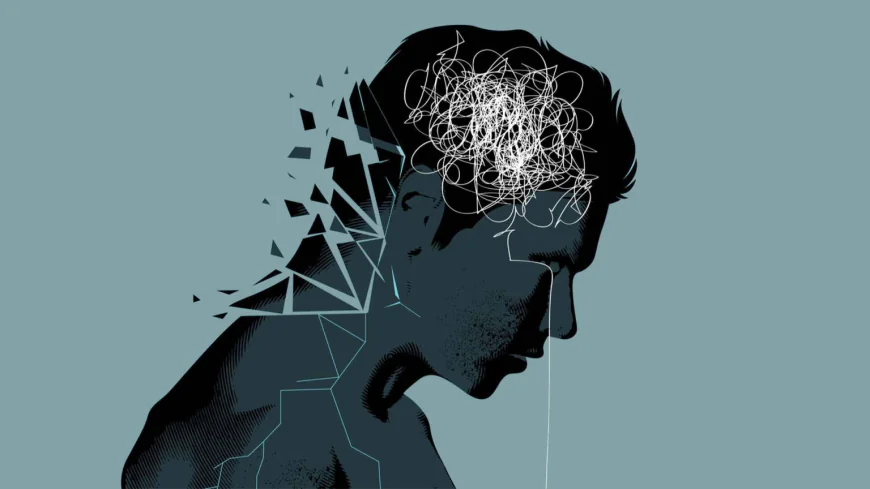


MEDICENTER TV / NEW YORK, USA — DEC. 14, 2025
Major Depressive Disorder (MDD) is not merely a psychological condition but a biological challenge that leads to structural changes within the brain, specifically causing a reduction in gray matter density in critical regulatory areas.
A comprehensive meta-analysis, which aggregated data from 23 different neuroimaging studies, has provided significant evidence mapping these physical changes. The findings offer a deeper understanding of how the severity and duration of depression physically alter the brain's architecture.
Key Areas of Gray Matter Loss
The study highlights that the most distinct changes occur in the rostral anterior cingulate cortex (ACC), a region vital for emotional regulation and decision-making processes. Additionally, researchers observed reductions in the dorsolateral and dorsomedial prefrontal cortex.
The research indicates that these structural changes vary depending on the patient's history. For instance:


-
Recurrent Episodes: Patients who have experienced multiple depressive episodes show more pronounced losses in the prefrontal cortex.
-
First Diagnosis: In patients diagnosed with depression for the first time who have not yet used medication, gray matter loss was observed in the amygdala and parahippocampal regions.
Biological Implications and Future Treatments
These findings provide strong evidence that depression disrupts biological processes. The loss of gray matter in the ACC and prefrontal cortex suggests a physical basis for why patients struggle with emotional control and coping with stress. The ACC is considered a crucial hub connecting cognitive and emotional processes.
Furthermore, the specific loss in the amygdala, particularly when depression co-occurs with anxiety disorders, helps explain how fear and stress responses are reflected in the brain's structure.


Understanding these neurobiological foundations could be critical for future medical advancements. Experts suggest that for patients with significant gray matter loss, personalized approaches such as specialized therapy or brain stimulation methods (like Deep TMS or traditional rTMS) may prove more effective than standard treatments.
Source : Kemal Arıkan / KemalArikan.com
 Like
0
Like
0
 Dislike
0
Dislike
0
 Love
0
Love
0
 Funny
0
Funny
0
 Wow
0
Wow
0
 Sad
0
Sad
0
 Angry
0
Angry
0

Editör | Medicentertv.com, uzman doktorlar, psikologlar ve sağlık profesyonellerinin bilimsel görüşlerini; tıp dünyasındaki yenilikleri, hastane sektöründeki gelişmeleri ve güncel sağlık haberlerini doğru, tarafsız ve güvenilir habercilik anlayışıyla sunar. Uluslararası sağlık haberciliği ilkeleri doğrultusunda, resmî açıklamalar, yeni nesil sağlık uygulamaları ve tıbbi veriler analiz edilerek kamuoyuna aktarılır.

















Comments (0)