



Travel Tips for Cancer Patients: 9 Essential Guidelines for a Safe Vacation
Cancer patients can enjoy safe and rewarding vacations by following expert-approved guidelines. Learn what to pack, avoid, and consider before planning your next trip.


Travel Tips for Cancer Patients: 9 Essential Guidelines for a Safe Vacation
MEDİCENTER TV / TÜRKİYE
Cancer Patients Can Travel — If Done Right
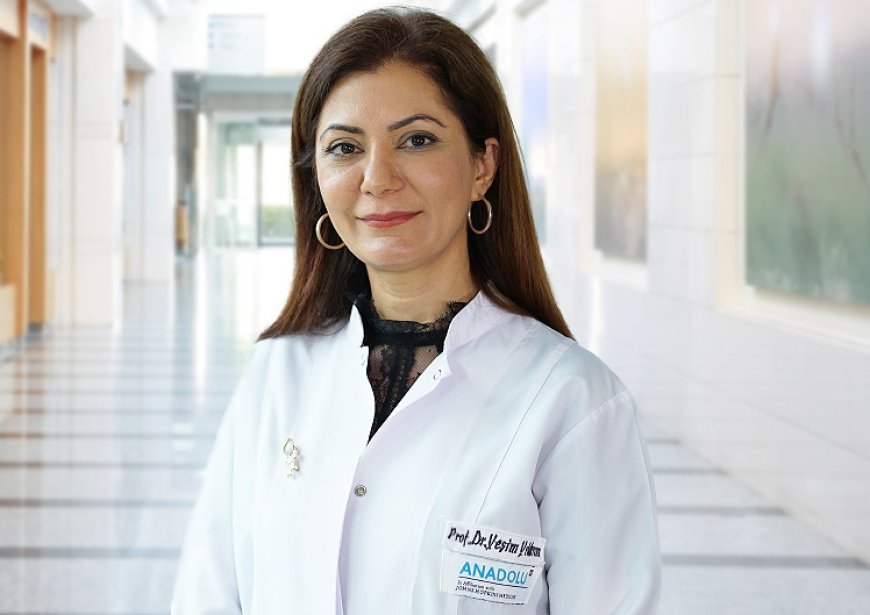
Contrary to the common misconception that cancer patients should remain confined to their homes, medical experts emphasize that travel can be both possible and beneficial—if approached wisely. Professor Dr. Yeşim Yıldırım, Medical Oncologist at Anadolu Medical Center Hospital, clarifies that under the right conditions and with physician approval, many cancer patients can safely plan vacations and even continue working.
According to Dr. Yıldırım, it’s crucial to assess each patient's treatment type, side effects, and overall physical condition before making travel plans. If chemotherapy does not cause severe issues like nausea, diarrhea, or infections, there's no reason a patient can't take a break and enjoy a change of scenery.
Physician-Guided Decisions Make All the Difference
Patients receiving systemic cancer therapies often experience side effects such as fatigue, nutritional challenges, or suppressed immune responses. However, with stable blood counts and minimal side effects, many can enjoy travel with minimal disruption. Any plans for work or vacation should always be made in coordination with the patient's healthcare provider to ensure medical compatibility with the chosen destination and activities.
9 Key Travel Tips for Cancer Patients
-
Avoid driving long distances yourself. If you're dealing with brain edema, severe anemia, or respiratory issues, air travel may not be advisable.


-
Bring all regular medications along, as well as backup prescriptions for emergencies such as nausea, diarrhea, or pain.
-
Don’t forget essential equipment like walkers, oxygen tanks, or colostomy bags if you use them.
-
Ensure that the kitchens at your destination are hygienic.
-
Prioritize fresh, properly cooked meals. Avoid raw seafood or undercooked dishes.


-
Skip unpackaged foods like street ice cream or unpasteurized dairy. Drink only sealed bottled water.
-
Protect yourself from excessive heat. Wear hats, sunglasses, and apply high-SPF sunscreen. Avoid direct sunlight between 11 AM and 3 PM.
-
Be cautious with your skin—especially areas previously treated with radiation. Some chemotherapy drugs can increase skin sensitivity to sunlight.
-
Avoid ingesting water while swimming in pools or the ocean, as it may carry infectious agents harmful to immunocompromised individuals.
Vacation Is Possible With Preparation
Dr. Yıldırım encourages patients not to isolate themselves unnecessarily. With proper precautions, many can benefit from the psychological and physical boost that travel offers. The key lies in thoughtful planning, honest communication with healthcare providers, and choosing destinations that support health-conscious routines.
 Like
0
Like
0
 Dislike
0
Dislike
0
 Love
0
Love
0
 Funny
0
Funny
0
 Wow
0
Wow
0
 Sad
0
Sad
0
 Angry
0
Angry
0

Editör | Medicentertv.com, uzman doktorlar, psikologlar ve sağlık profesyonellerinin bilimsel görüşlerini; tıp dünyasındaki yenilikleri, hastane sektöründeki gelişmeleri ve güncel sağlık haberlerini doğru, tarafsız ve güvenilir habercilik anlayışıyla sunar. Uluslararası sağlık haberciliği ilkeleri doğrultusunda, resmî açıklamalar, yeni nesil sağlık uygulamaları ve tıbbi veriler analiz edilerek kamuoyuna aktarılır.


















Comments (0)