



Lung cancer can affect never-smokers: Key risks and warning signs
Lung cancer can affect people who never smoked; secondhand smoke, radon, air pollution and workplace exposures may increase the risk.


By Bilge Türk | MediCenter TV
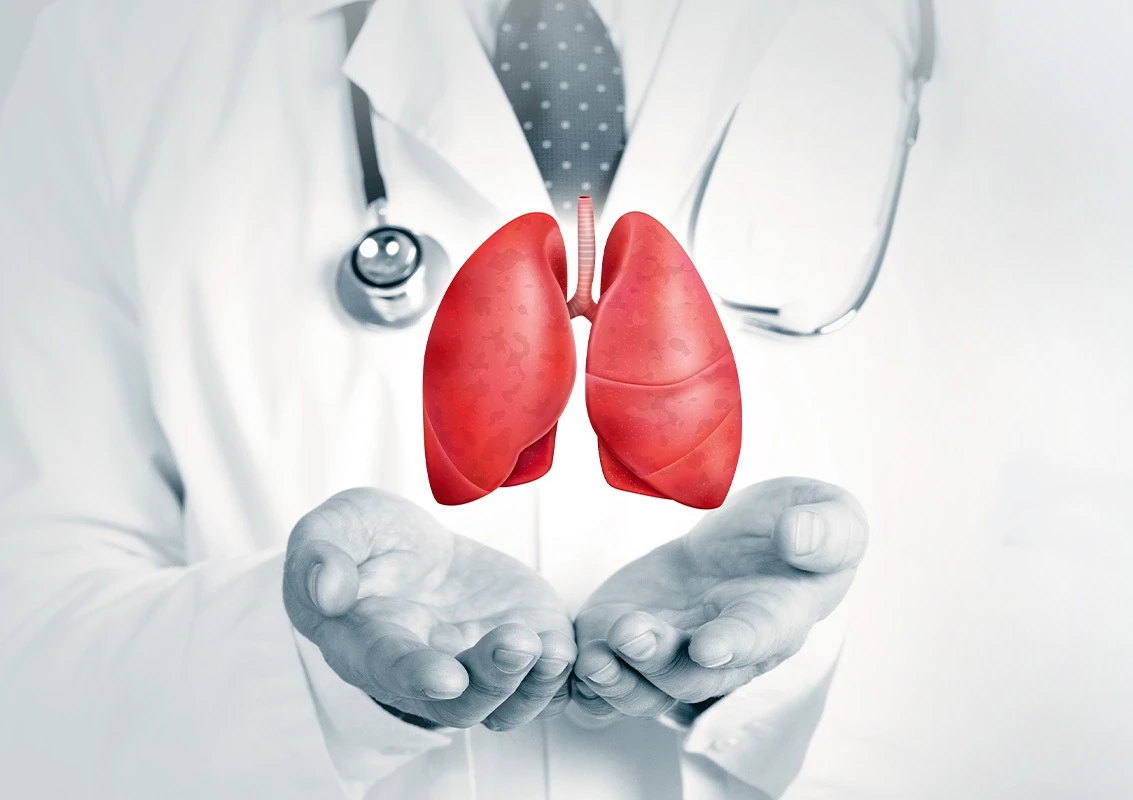
IZMIR, TÜRKİYE — Although tobacco use remains the leading risk factor for lung cancer, the disease can also develop in people who have never smoked, and persistent symptoms should be assessed regardless of smoking history.
Secondhand smoke, radon, air pollution, asbestos and long-term exposure to certain workplace substances are among the factors that may increase lung cancer risk in never-smokers. Genetic changes and a personal or family history of the disease may also contribute.
Sedat Bayrakçı, MD, a pulmonologist at Batıgöz Health Group Balçova Surgical Medical Center, said that avoiding tobacco considerably reduces the risk but does not eliminate it entirely.
Bayrakçı advised that a cough lasting several weeks, worsening breathlessness, chest pain or coughing up blood should be investigated whether or not the patient has ever used tobacco.


Not smoking does not reduce the risk to zero
Smoking is the most important preventable risk factor associated with lung cancer. However, not every case of the disease is caused by tobacco exposure.
Adenocarcinoma accounts for a substantial share of lung cancers diagnosed in people who have never smoked. It is a type of non-small cell lung cancer that develops from cells associated with the small air sacs and mucus production in the lungs.
Early-stage lung cancer may cause no noticeable symptoms. When symptoms do appear, they may resemble common respiratory complaints such as a cough, shortness of breath or fatigue.
Assessing symptoms only through a patient’s smoking history may therefore delay diagnosis in some never-smokers. At the same time, a persistent cough or chest pain does not automatically indicate cancer. A medical examination is needed to determine the underlying cause.


Secondhand smoke and workplace exposures may raise the risk
Exposure to other people’s tobacco smoke in enclosed spaces is a preventable lung cancer risk for people who do not smoke. Tobacco smoke can affect not only the person using cigarettes or other tobacco products but also others sharing the same environment.
Long-term exposure to outdoor air pollution has also been associated with a higher risk of lung cancer. The level of risk can vary according to the pollutants involved, their concentration and the duration of exposure.
Asbestos, arsenic, diesel exhaust, silica and certain chromium compounds encountered in some workplaces are additional risk factors. People working in construction, mining, shipyards, manufacturing and related industries should follow occupational health and safety requirements.
“The quality of the air we breathe is one of the basic factors affecting lung health. Long-term exposure to secondhand smoke, air pollution and harmful substances can adversely affect the respiratory system,” Bayrakçı said.
He added that people exposed to dust, chemicals or asbestos at work should use appropriate protective equipment and comply with workplace safety measures.
Why radon exposure can go unnoticed
Radon is a colourless, odourless and tasteless radioactive gas produced naturally by the breakdown of radioactive elements in soil and rock.
It usually disperses outdoors but can enter buildings through cracks in foundations, gaps around pipes and cables or other openings in parts of a structure that are in contact with the ground. It may then accumulate in indoor air.
Radon levels can be higher in basements and lower floors, although elevated concentrations may also be found elsewhere in a building. The level in one property may differ considerably from that in a neighbouring building.
People cannot detect radon through smell, taste or sight. Testing with an appropriate device is the only way to determine its concentration in a home or workplace.
If high levels are identified, measures may include sealing entry points, improving ventilation or installing a specialised radon-reduction system. The combined effects of smoking and radon exposure can create a greater lung cancer risk than either factor alone.
Which symptoms require medical assessment?
Possible symptoms of lung cancer include a cough that does not go away or becomes worse, shortness of breath, chest pain, wheezing, coughing up blood, unexplained weight loss and persistent fatigue.
Repeated pneumonia or other lung infections may also require investigation in some patients. However, these complaints can be caused by many non-cancerous conditions, including respiratory infections, asthma, chronic lung diseases and heart disorders.
“In a person who does not smoke, a persistent cough may often be associated with an allergy, infection or another respiratory condition,” Bayrakçı said. “However, if it continues, becomes more severe or is accompanied by breathlessness or chest pain, the underlying cause should be identified.”
Coughing up blood requires prompt medical assessment. Marked difficulty breathing, severe chest pain, confusion or rapidly worsening symptoms may require urgent care.
Symptoms should not be dismissed simply because the person is young, physically active or has never smoked.
Diagnosis and screening are different processes
Assessment for suspected lung cancer begins with a review of the patient’s symptoms, medical history, smoking and secondhand smoke exposure, occupation, environmental risks and family history.
Depending on the findings, a clinician may request a chest X-ray or computed tomography scan. If imaging identifies a suspicious lesion, further procedures such as bronchoscopy, biopsy or other specialised tests may be required.
Imaging alone does not always provide a definitive cancer diagnosis. When necessary, a tissue sample is examined by a pathologist to determine whether cancer cells are present and to identify the tumour type.
A CT scan performed to investigate symptoms is different from screening. Screening is offered to people who do not have symptoms but meet defined high-risk criteria.
Low-dose CT screening is primarily considered for people within specified age groups who have a substantial current or previous smoking history. Exact eligibility criteria can vary according to national guidelines.
Routine CT screening is generally not recommended for every symptom-free person who has never smoked. Unnecessary screening may produce false-positive findings, additional radiation exposure, anxiety and potentially avoidable invasive procedures.
Never-smokers with a significant family history, previous cancer treatment or substantial environmental exposure should discuss their individual risks with a qualified clinician rather than arranging scans independently.
Reducing avoidable risks can protect lung health
It is not possible to eliminate every cause of lung cancer, but reducing preventable exposures can help protect respiratory health.
Avoiding tobacco and keeping homes, vehicles and workplaces free from tobacco smoke remain fundamental measures. People may also benefit from monitoring official air-quality warnings and adjusting outdoor activity during periods of severe pollution, particularly if they have an existing respiratory condition.
In occupational settings, suitable masks or respiratory protective equipment should be used where required. Ventilation systems should be maintained, and workers should attend recommended occupational health examinations.
Materials that may contain asbestos should not be broken, drilled, sanded or removed without appropriate assessment. This is especially important during renovation or demolition work in older buildings. Suspected materials should be examined and, when necessary, removed by authorised professionals.
Buildings in areas where radon may be present can be tested, and elevated levels can be reduced using appropriate technical measures.
“Protecting lung health is not limited to avoiding cigarettes,” Bayrakçı said. “Recognising environmental exposures, reducing preventable risks and assessing respiratory symptoms in time may help identify possible health problems earlier.”
MediCenterTV.com
 Like
0
 Dislike
0
 Love
0
 Funny
0
 Wow
0
 Sad
0
 Angry
0

Bilge Türk, MediCenterTV.com editörü, gazeteci ve yazardır. Sağlık, yaşam, bilim ve güncel gelişmeler üzerine içerikler hazırlayan Türk; doğru, anlaşılır ve toplum yararını gözeten habercilik anlayışıyla sağlık alanındaki gelişmeleri okuyuculara aktarmayı amaçlamaktadır.















Comments (0)