



Addiction Can Affect Anyone: Science Debunks the “Willpower” Myth
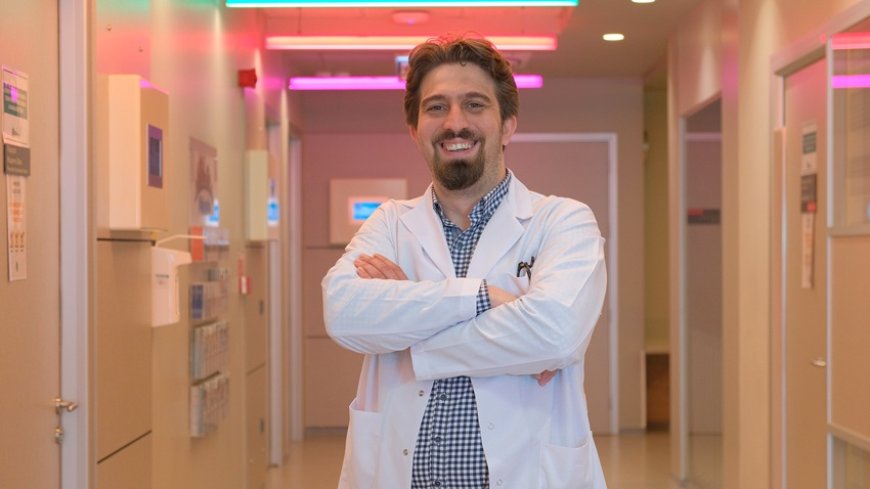
Addiction is a chronic brain disease, not a moral weakness. Psychiatrist Dr. Bahruz Shukurov underscores that anyone can be at risk, and that comprehensive care—trigger management, medication, psychotherapy, and biological therapies—can bring addiction under control when patients, families, and clinicians work together.


Addiction Can Affect Anyone: Science Debunks the “Willpower” Myth
MEDICENTER TV / ISTANBUL
A brain-based disorder that touches families and society
Addiction is not a moral failing but a chronic brain disease that affects individuals, families, and communities, says Dr. Bahruz Shukurov, a psychiatrist at Üsküdar University NPİSTANBUL Hospital. “Research shows addiction is a brain illness, and anyone can develop it when exposed to certain substances or behaviors,” he notes. The condition alters the neural circuits that govern reward, motivation, decision-making, and impulse control—making professional, evidence-based care essential.
From choice to compulsion: when the brain says “I need this to survive”
Clinically, addiction is defined by persistent substance use—or compulsive behaviors such as gambling or excessive gaming—despite physical, psychological, and social harm. Over time, the substance or behavior can become a primary drive, perceived by the brain as a need “as vital as air and water.” Short-term relief and perceived reward fuel a cycle that erodes control, undermines work, school, and relationships, and raises health and safety risks.
Outdated labels to modern science: ending the ‘weak character’ narrative
For decades, addiction was framed as a character flaw or “toksikomani,” often stigmatizing people who needed medical help. That view is obsolete. Contemporary neuroscience demonstrates that addictive substances and behaviors induce measurable, sometimes lasting changes in brain systems that regulate craving, self-control, and learning. Framing addiction as a medical condition opens the door to effective, compassionate care—rather than shame and avoidance.
The family impact: don’t carry the burden alone
Addiction is also a family illness. Financial strain, emotional burnout, and conflict are common in households trying to “fix” the problem privately. Delaying professional support—out of denial, stigma, or the hope that it will “pass”—often complicates the course of illness. Families benefit from structured guidance on setting boundaries, communicating effectively, and engaging in treatment without enabling harmful patterns.


Treatment works: a comprehensive plan to regain control
Like diabetes, addiction can be managed with the right, sustained plan. According to Dr. Shukurov, best outcomes come from personalized, multi-modal care delivered by a coordinated team—clinicians, the patient, and family:
-
Trigger (cue) management: Systematically avoiding or reshaping high-risk situations, people, and routines; building alternative coping skills.
-
Medication support: Evidence-based medicines to reduce withdrawal symptoms and cravings, and to treat co-occurring conditions such as anxiety or depression.
-
Psychotherapy: Cognitive behavioral therapy, motivational interviewing, and relapse-prevention strategies to rebuild skills and resilience.


-
Biological interventions: When indicated, brain-stimulation or other non-pharmacologic therapies as adjuncts within a clinical protocol.
Relapse can occur—and it is part of the recovery process, not a failure. Structured follow-up, safety plans, and rapid-response adjustments help patients return to stability and continue progress.
What to watch for—and when to seek help
Red flags include loss of control, escalating tolerance, withdrawal symptoms, spending more time to obtain or use, abandoning responsibilities, secrecy, and repeated failed attempts to cut back. Early professional evaluation improves outcomes. Setting realistic goals, celebrating small wins, and maintaining regular check-ins protect recovery over the long term.
 Like
0
Like
0
 Dislike
0
Dislike
0
 Love
0
Love
0
 Funny
0
Funny
0
 Wow
0
Wow
0
 Sad
0
Sad
0
 Angry
0
Angry
0

Editör | Medicentertv.com, uzman doktorlar, psikologlar ve sağlık profesyonellerinin bilimsel görüşlerini; tıp dünyasındaki yenilikleri, hastane sektöründeki gelişmeleri ve güncel sağlık haberlerini doğru, tarafsız ve güvenilir habercilik anlayışıyla sunar. Uluslararası sağlık haberciliği ilkeleri doğrultusunda, resmî açıklamalar, yeni nesil sağlık uygulamaları ve tıbbi veriler analiz edilerek kamuoyuna aktarılır.















Comments (0)