



Obsessive-Compulsive Disorder (OCD): Understanding the Cycle and Breaking Free
OCD is a debilitating condition affecting 2-3% of the population, driven by intrusive thoughts and repetitive behaviors. Learn about the causes, types, and the most effective treatments like ERP therapy.



MEDICENTER TV / NEW YORK, USA — DEC. 14, 2025
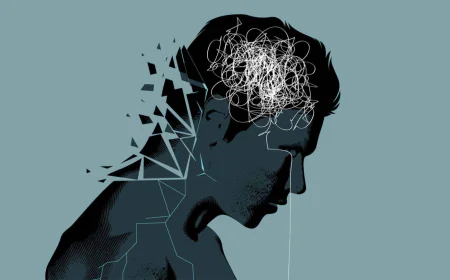
Obsessive-Compulsive Disorder (OCD) is a chronic psychiatric condition characterized by uncontrollable, reoccurring thoughts (obsessions) and behaviors (compulsions) that the sufferer feels the urge to repeat over and over.
Affecting approximately 2-3% of the population, OCD typically manifests in childhood or early adulthood. While most people experience occasional worry, OCD is diagnosed when these obsessions consume more than one hour a day and significantly interfere with daily functioning, work, or social life.
The Nature of Obsessions and Compulsions
Obsessions are persistent, unwanted thoughts, images, or urges that cause intense distress or anxiety. Individuals often recognize these thoughts—such as fears of contamination, aggressive impulses, or taboo sexual thoughts—as irrational but cannot stop them.


Compulsions are repetitive behaviors (like hand washing, ordering, or checking) or mental acts (like praying, counting, or repeating words silently) performed to reduce the anxiety caused by obsessions. Common types include:
-
Contamination/Cleaning: Excessive fear of germs leading to ritualistic cleaning.
-
Doubt/Checking: Repeatedly checking locks or appliances to ensure safety.
-
Symmetry/Ordering: Needing items to be arranged in a precise way.


Causes and Risk Factors
Research suggests a combination of biological, genetic, and environmental factors contributes to OCD. Brain imaging studies have shown increased activity in specific areas like the orbitofrontal cortex and anterior cingulate cortex, alongside serotonin dysfunction. A family history of OCD and childhood trauma are also significant risk factors.
The disorder is often comorbid with conditions such as Body Dysmorphic Disorder, Hoarding Disorder, Trichotillomania (hair-pulling), and Skin Picking Disorder.
Treatment: A Dual Approach
The most effective treatment strategy combines pharmacotherapy and psychotherapy.
-
Medication: Antidepressants, specifically Selective Serotonin Reuptake Inhibitors (SSRIs) and clomipramine, are the first line of pharmaceutical treatment.
-
Psychotherapy: Cognitive Behavioral Therapy (CBT), particularly Exposure and Response Prevention (ERP), is widely used. ERP involves exposing the patient to the source of their anxiety (e.g., touching a doorknob) while preventing the accompanying compulsion (e.g., washing hands), helping the brain learn to tolerate the anxiety.
Source : www.verapsikolojikdanismanlik.com
 Like
0
Like
0
 Dislike
0
Dislike
0
 Love
0
Love
0
 Funny
0
Funny
0
 Wow
0
Wow
0
 Sad
0
Sad
0
 Angry
0
Angry
0

Editör | Medicentertv.com, uzman doktorlar, psikologlar ve sağlık profesyonellerinin bilimsel görüşlerini; tıp dünyasındaki yenilikleri, hastane sektöründeki gelişmeleri ve güncel sağlık haberlerini doğru, tarafsız ve güvenilir habercilik anlayışıyla sunar. Uluslararası sağlık haberciliği ilkeleri doğrultusunda, resmî açıklamalar, yeni nesil sağlık uygulamaları ve tıbbi veriler analiz edilerek kamuoyuna aktarılır.
















Comments (0)