



The Great Red Meat Debate: Why Experts Say It's a Nutritional Powerhouse But Must Be Limited
Experts are divided on red meat: they call it an essential source of heme iron, B12, and protein, but caution that it must be limited to 70g daily due to links with cardiovascular disease and cancer risk, especially from processed meats.
The Great Red Meat Debate: Why Experts Say It's a Nutritional Powerhouse But Must Be Limited
MEDICENTER TV / LONDON, UK
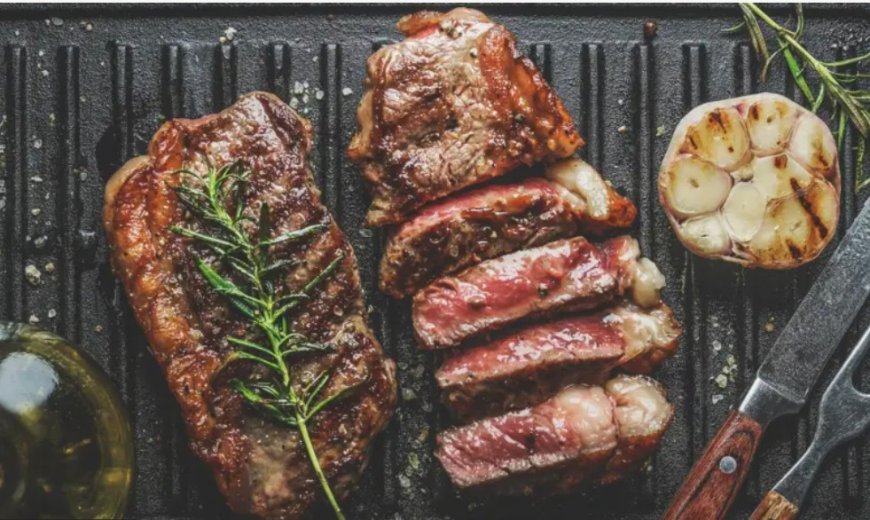
Determining red meat’s place in a healthy diet has become increasingly complex. While experts acknowledge that it is packed with valuable nutrients essential for health, growing concerns over potential risks mean official advice now strongly recommends limiting consumption. This conflicting evidence has left many consumers confused: is red meat a dietary friend or foe? Red meat, which includes beef, lamb, mutton, venison, and goat, is being consumed less frequently, with a 2021 UK study showing daily intake dropping to an average of 23.7 grams. The shift is often attributed to cost, animal welfare concerns, environmental worries, and the belief that plant-based alternatives are healthier.
Red Meat: A Rich Source of Essential Nutrients

Despite the pushback, experts like Alice Stanton, Professor of Cardiovascular Therapeutics, and Bridget Benelam, a nutrition scientist, stress that the notion of red meat being inherently unhealthy is an oversimplification. Red meat is lauded as a high-quality protein source, containing all the vital amino acids the body cannot produce on its own. This balance is crucial for creating structural and messenger proteins that support cell, tissue, and organ communication—vital processes, especially during key life stages like childhood and pregnancy.
The Power of Heme Iron
Red meat is particularly significant for its iron content, a nutrient essential for the formation of red blood cells. Stanton highlights that the form of iron found in red meat, known as heme iron, is exceptionally beneficial, with the body absorbing it up to five times more efficiently than non-heme iron found in plant-based sources. Plant foods, like legumes, often contain phytates that bind to iron, hindering absorption. Studies indicate that despite consuming similar amounts of iron, vegans and vegetarians often have lower iron levels in their blood than meat-eaters, underscoring the importance of bioavailability. The NHS, however, recommends a maximum daily intake of 70g (cooked weight) for red or processed meat due to other associated health concerns.


Crucial Vitamins and Minerals
Beyond protein and iron, red meat provides:
-
Zinc: A critical mineral for metabolism, wound healing, immune health, and the production of new cells and enzymes. In the UK, red meat is a major source, supplying about 30% of the required daily intake.
-
Vitamin B12: Essential for the nervous system, red blood cell formation, and DNA synthesis. B12 is found almost exclusively in animal products (meat, poultry, eggs, dairy), making meat one of its most important sources. It is estimated that around 11% of those following a vegan diet are B12 deficient, necessitating supplements or fortified foods.
Understanding the Potential Health Risks
While nutritionally dense, excessive consumption of red meat, especially processed varieties, is linked to documented health risks that necessitate consumption limits.
Cancer and Processed Meat
In 2015, the World Health Organization's International Agency for Research on Cancer (IARC) classified red meat as "probably carcinogenic" based on limited evidence linking it to cancer, particularly colorectal cancer. The evidence against processed meat is notably stronger, leading to its classification as "carcinogenic." Processed meats include those altered through smoking, curing, salting, or adding preservatives, such as bacon, some sausages, salami, and ham. Experts recommend moderation, suggesting that potential health risks can be mitigated by combining red and processed meat with a diet rich in fresh fruits, vegetables, fish, legumes, seeds, and nuts.
The Dangers of Saturated Fat and Heme Iron
Another key concern is the link between red meat and cardiovascular health. Dietitian Aisling Pigott notes that limiting consumption is prudent due to the amount of saturated fat it contains, which is associated with increased "bad" cholesterol and a higher risk of heart disease. Furthermore, high levels of heme iron consumption are independently correlated with an increased risk of cardiovascular disease. Benelam explains that this might be due to high heme iron levels potentially causing oxidative damage and inflammation, factors that contribute to atherosclerosis—the "clogging" of arteries that can lead to heart attacks or strokes.
Expert Consensus: Moderation is Key
The current governmental advice is clear: limit red and processed meat consumption to a maximum of 70g (cooked weight) per day. This is a recommendation for moderate consumption, not total avoidance. Dietitians suggest reducing intake by eating smaller portions or consuming red meat less frequently, ensuring that the diet is balanced with a wide range of other nutrient-rich foods. For those adopting vegan or vegetarian lifestyles, careful planning with supplements and fortified foods is essential to avoid deficiencies, particularly B12 and iron. The scientific consensus is that red meat remains a valuable source of nutrients, but health optimization lies in mindful moderation.
 Like
0
Like
0
 Dislike
0
Dislike
0
 Love
0
Love
0
 Funny
0
Funny
0
 Wow
0
Wow
0
 Sad
0
Sad
0
 Angry
0
Angry
0

Editör | Medicentertv.com, uzman doktorlar, psikologlar ve sağlık profesyonellerinin bilimsel görüşlerini; tıp dünyasındaki yenilikleri, hastane sektöründeki gelişmeleri ve güncel sağlık haberlerini doğru, tarafsız ve güvenilir habercilik anlayışıyla sunar. Uluslararası sağlık haberciliği ilkeleri doğrultusunda, resmî açıklamalar, yeni nesil sağlık uygulamaları ve tıbbi veriler analiz edilerek kamuoyuna aktarılır.









Comments (0)