



Myopia in children: How to slow progression and use contact lenses safely
Childhood myopia can be slowed with tailored care. An eye specialist explains when contact lenses may suit children and which hygiene rules matter.

By Ahmet Taş | Wise News Press
ANTALYA, TURKEY — Childhood myopia can be monitored and its progression slowed with appropriate care, while a child’s hygiene habits and sense of responsibility help determine whether contact lenses are suitable.
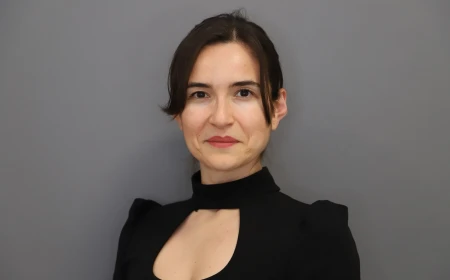
Professor Zeynep Özbek, head of the Turkish Ophthalmological Association’s Contact Lens Unit, discussed myopia control and contact lens use in children during the association’s 60th National Congress in Antalya. She said the choice of treatment should reflect a child’s eye health, the rate at which myopia is progressing and the child’s ability to follow lens care instructions.
Why early eye examinations matter
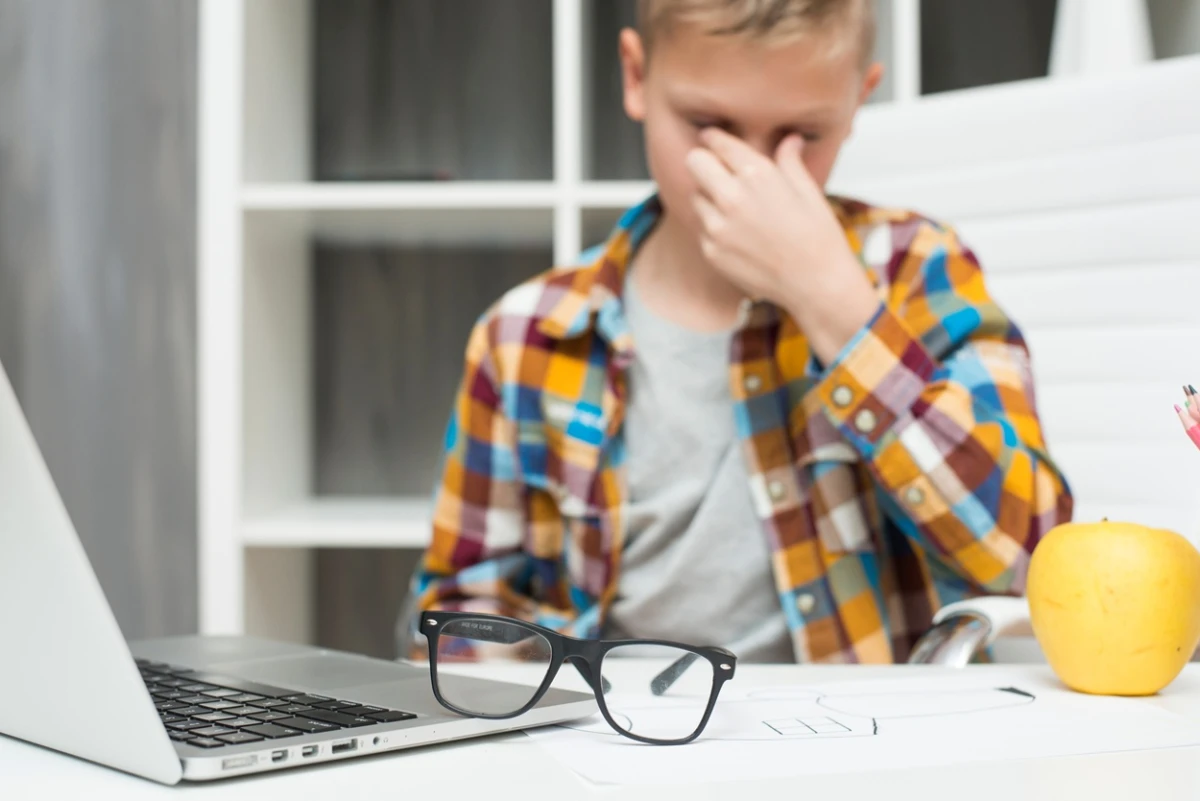
Myopia, also known as nearsightedness, makes distant objects appear blurred. A child may struggle to see the classroom board clearly, making it important to identify vision problems and provide appropriate correction. Myopia that progresses substantially during childhood can also increase the risk of certain eye conditions later in life.
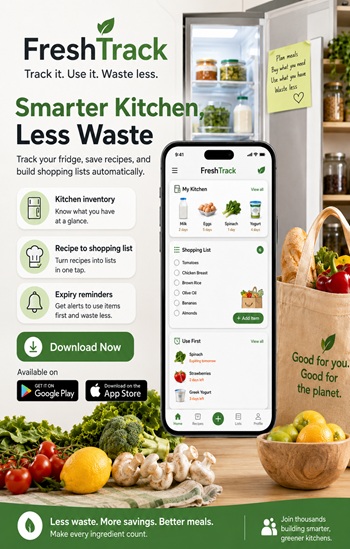
Information shared during the congress stressed the value of eye examinations before children start school and around the time they enter primary education. These checks can help identify children who already have myopia or may need closer follow-up. A family history of myopia is another factor for an eye specialist to consider.

An international study published in 2016 projected that, if the trends examined by its researchers continued, about 49.8% of the world’s population could have myopia by 2050. That figure is a projection, not a measured current rate.
How can myopia progression be slowed?
Correcting blurred vision is only one part of caring for a child with myopia. Regular follow-up allows an eye specialist to see whether the prescription is changing and whether a myopia control treatment should be considered.
Özbek said specially designed spectacle lenses and contact lenses are among the options available for children whose myopia is progressing. These products are intended to do more than provide clear distance vision: they are designed to help slow further progression. An ordinary pair of glasses or standard contact lenses should therefore not be assumed to have the same myopia control effect.
Time outdoors and the pattern of activities that require prolonged near focus are also relevant to a child’s daily routine. The American Academy of Ophthalmology recommends balancing screen use with outdoor time and assessing treatment options individually. No single approach is suitable for every child.


Özbek said an eye specialist should consider the child’s age, eye structure and changes in vision before recommending a particular method. Families should also understand how often follow-up is needed and what the child must do to use the chosen treatment correctly.
When can a child start wearing contact lenses?
Özbek said there is no single age at which every child becomes ready for contact lenses. The more important questions are whether the child can put them in and take them out correctly, follow instructions consistently and maintain good hand hygiene.
According to Özbek, some attentive and responsible children can be taught to use contact lenses from around 11 or 12 years of age. This is an example of when use may be possible, rather than a rule that applies to all children. Suitability still depends on an individual examination and the child’s ability to care for the lenses.
Contact lenses may appeal to children who dislike wearing glasses or want greater freedom of movement during sports. Özbek said glasses and lenses need not be an all-or-nothing choice: a child might wear lenses at school or during an activity and switch to glasses at home.
The decision should be made with the child, family and eye specialist. Keeping an up-to-date pair of glasses available also gives the child an alternative when lenses need to be removed.
What hygiene rules apply to daily disposable lenses?
Özbek identified daily disposable lenses as a preferred option for many children and teenagers. A fresh pair is used for the day and then discarded. A daily disposable lens must not be saved and worn again the next day.
Children should wash their hands with soap and water, rinse them and dry them thoroughly before touching their lenses. They must also be able to follow the wearing schedule prescribed for the particular lens. Routine daytime contact lenses should not be worn while sleeping.
Contact lenses should be removed before showering or swimming, including in the sea or a pool. The US Centers for Disease Control and Prevention warns that exposing lenses to water can increase the risk of eye infection. If a child develops discomfort or eye redness, the lenses should be removed and an eye care professional contacted.
Good hygiene is part of the decision to prescribe lenses, not simply an instruction given afterwards. A child who cannot yet follow the rules consistently may be better served by glasses while the family discusses future options with an eye specialist.
Are overnight lenses an alternative?
For some children with progressing myopia, an eye specialist may consider orthokeratology. This involves specially fitted, gas-permeable lenses worn overnight according to a prescribed schedule. They temporarily change the shape of the cornea to improve distance vision during the day and may also help slow myopia progression in suitable patients.
These lenses are an exception to the rule against sleeping in routine daytime lenses. They require careful fitting, cleaning and follow-up. The American Academy of Ophthalmology notes that overnight lens wear carries an infection risk that families must weigh when discussing this option. www.aao.org
Özbek emphasized that the type of lens should be chosen according to the child’s eye health and daily habits. Myopia control spectacles, daytime contact lenses and overnight lenses have different requirements; an eye specialist can determine which, if any, is appropriate.
What should families discuss at the next appointment?
Parents can tell the eye specialist whether their child has difficulty seeing at a distance, whether a parent has myopia and how much the child’s prescription has changed. If the child is interested in contact lenses, the appointment is also an opportunity to assess whether they can demonstrate safe handling and understand the hygiene rules.
Özbek’s central recommendation was to make the plan with the child and family rather than selecting a lens based on age or convenience alone. Continued examinations can then show whether the chosen approach is meeting the child’s needs as they grow.
WiseNewsPress.com
 Like
0
 Dislike
0
 Love
0
 Funny
0
 Wow
0
 Sad
0
 Angry
0

Bilge Türk, MediCenterTV.com editörü, gazeteci ve yazardır. Sağlık, yaşam, bilim ve güncel gelişmeler üzerine içerikler hazırlayan Türk; doğru, anlaşılır ve toplum yararını gözeten habercilik anlayışıyla sağlık alanındaki gelişmeleri okuyuculara aktarmayı amaçlamaktadır.













Comments (0)