



Epilepsy seizures require safe first aid and regular neurological care
Neurology specialist Dr. Atilla Kara explained how epilepsy can affect daily life, why patient history matters and what to do during a seizure.
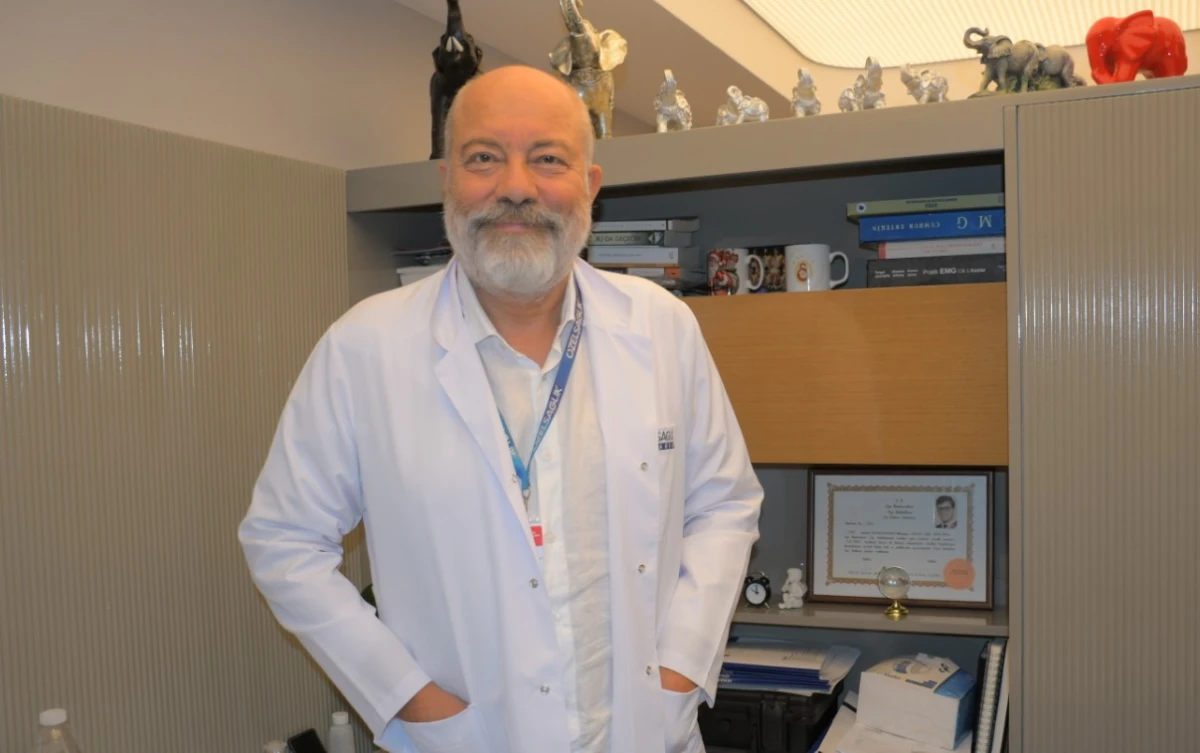


By Bilge Türk | MediCenter TV
IZMIR, Türkiye — Epilepsy can affect not only a person’s physical safety, but also daily routines, social life and psychological well-being, making proper diagnosis, treatment and seizure response essential.
Private Health Hospital Neurology Specialist Dr. Atilla Kara said epilepsy is a condition marked by temporary loss of consciousness and seizures that may last from 10 seconds to 10 minutes. Kara stressed that where the patient is during a seizure can be critically important, because falls, accidents and injuries may occur.
Location during a seizure matters
Dr. Kara said the main risk during an epileptic seizure is not only the seizure itself, but what may happen while the person has impaired consciousness.
A patient may fall, hit surrounding objects, suffer an accident or injure the head, arms or legs. For this reason, people around the patient should try to make the environment safer without forcing the person’s movements.


Kara said frequent and repeated seizures can seriously affect quality of life and social participation. Patients may begin to worry about having a seizure while going outside, working, attending school, shopping or driving.
Anxiety can affect daily life
The uncertainty of when a seizure may occur can create persistent anxiety in people with epilepsy. According to Kara, this concern may gradually affect social life, education, work and independence.
Some patients may avoid crowded places or routine activities because they fear having a seizure in public. This means epilepsy should be evaluated not only as a neurological disorder, but also as a condition with social and psychological consequences.
The goal of treatment is therefore not limited to reducing seizure frequency. It also aims to help patients maintain a safer and more stable daily life.


The cause is often unclear
Dr. Kara said epilepsy may be linked to brain-related problems in around 20% of cases. Brain tumors, vascular blockages, trauma and birth-related injuries may be among the causes.
However, in nearly 80% of epilepsy cases, the exact cause cannot be clearly identified. Genetic factors may play a role in some patients, but a definite genetic cause is not required for the disease to appear.
Epilepsy can occur at any age. Kara noted that it is seen more commonly in childhood and older age groups. Some types that begin in childhood may continue later in life, while others may reappear after a period without seizures.
Seizure types may vary
Epileptic seizures do not always look the same. Some may appear as brief staring spells that last only a few seconds, while others may involve sudden jerking movements in the arms or legs.
More severe seizures, commonly known as “grand mal” or major seizures, may involve falling, stiffening of the body, fixed gaze and foaming at the mouth. These differences make the patient’s history and eyewitness descriptions especially important.
Kara said people who have never had a seizure before may also experience epilepsy for the first time at an older age. Sudden loss of consciousness, repeated staring episodes or unexplained convulsive movements should therefore be evaluated by a physician.
Patient history and EEG support diagnosis
Patient history plays a key role in diagnosing epilepsy. The account of someone who witnessed the seizure can provide valuable information about how long it lasted, what happened before and after, and what the patient’s movements looked like.
Kara said a safe video recording of the seizure may also help the diagnostic process. In addition to physical examination, EEG, commonly known as an electroencephalogram, is used to assess electrical activity in the brain.
EEG can provide information about seizure characteristics and the possible area of the brain where abnormal activity begins. Medication has an important role in epilepsy treatment, and Kara said seizures can be controlled in around 60% to 80% of patients with drug therapy.
The patient should be turned on their side
Dr. Kara emphasized that correct first aid during a seizure can help prevent injuries and airway problems. The patient should be gently turned on their side, especially if saliva or foam collects in the mouth.
Hard or dangerous objects around the person should be removed to reduce the risk of head, arm or leg injuries. People nearby should stay calm and observe the duration and features of the seizure.
Kara also warned against common but incorrect interventions. Pouring water on the patient, making the patient smell onion or placing a spoon or another object in the mouth is not appropriate. Fingers or hands should not be placed in the patient’s mouth, because jaw muscles may become very strong during a seizure and cause serious injury.
Regular medical follow-up, taking medication as prescribed and making sure family members know what to do during a seizure can help patients manage epilepsy more safely.
MediCentertv.com
 Like
0
Like
0
 Dislike
0
Dislike
0
 Love
0
Love
0
 Funny
0
Funny
0
 Wow
0
Wow
0
 Sad
0
Sad
0
 Angry
0
Angry
0

Bilge Türk, MediCenterTV.com editörü, gazeteci ve yazardır. Sağlık, yaşam, bilim ve güncel gelişmeler üzerine içerikler hazırlayan Türk; doğru, anlaşılır ve toplum yararını gözeten habercilik anlayışıyla sağlık alanındaki gelişmeleri okuyuculara aktarmayı amaçlamaktadır.















Comments (0)