



Opportunism Undermines Social Trust
Opportunistic behaviors after disasters undermine social trust and deepen divisions. Experts emphasize the need for stronger legal, economic, and ethical frameworks to prevent exploitation and promote fairness in society.

Opportunism Undermines Social Trust
İYİ PSİKOLOG / TÜRKİYE
Disasters Expose Opportunism and Deepen Public Distrust
Following major disasters in Turkey, opportunistic behaviors resurface, causing societal frustration and eroding trust. The recent surge in fire extinguisher prices after the Kartalkaya hotel fire has once again sparked discussions on opportunism and its detrimental impact on social cohesion.
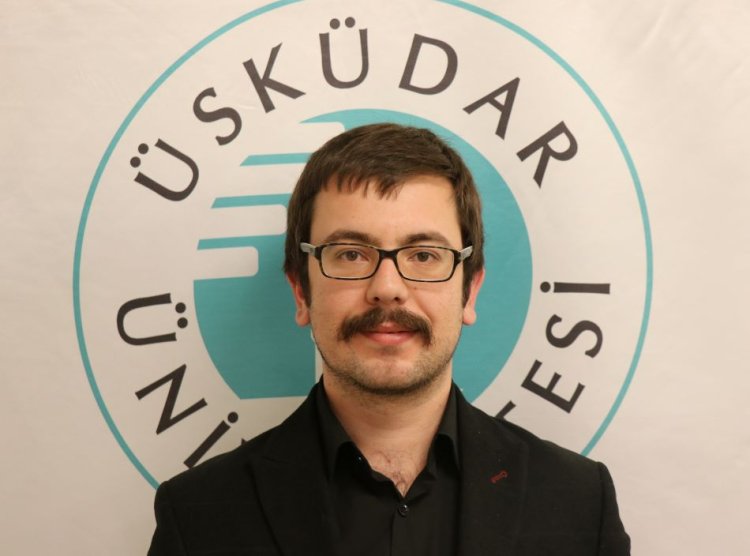
Experts emphasize that such exploitative behaviors create long-term damage, fostering a sense of insecurity and deepening societal divisions. Sociologist Dr. Berat Dağ highlights the critical responsibilities of the state, society, and individuals in preventing opportunism and promoting fairness. "The government must strengthen legal, political, economic, and educational policies based on justice, equality, and freedom to curb such unethical practices," he states.

Distorted Adoption of Western Capitalist Values
Dr. Berat Dağ explains that Turkey has been undergoing an extreme Westernization process for nearly 250 years, during which elitist groups have tried to shape the nation either through rhetoric or hostility. “This process has led to a distorted adoption of Western capitalist values, where self-interest and exploitation take precedence over collective well-being," he notes.
He argues that unless Turkey modernizes its deep-rooted traditions of justice that unite the state, society, and individuals, crises will continue to be exploited. "When values that prioritize the public good are not reinforced, human greed takes over, leading to more examples of opportunism that damage trust and social harmony."
How Opportunism Erodes Social Trust


In the Turkish context, opportunism is a major contributor to social distrust. Dr. Berat Dağ warns that when individuals see unfair gains during crises, they begin to lose faith in each other and in institutions. "If opportunistic practices continue unchecked, the public’s sense of security will deteriorate further. When people stop trusting one another, isolation increases, and the very foundation of social life is put at risk," he states.
A Rich Historical Tradition of Fairness and Solidarity
Dr. Berat Dağ reminds us that every society has had examples of self-serving cultural behaviors. However, he emphasizes the importance of historical legacy in shaping a nation’s ethical framework. "The Ottoman Empire had a long-standing tradition of redistributing resources rather than allowing wealth to accumulate in the hands of a few. This is an important historical lesson for Turkey today—our society is built on values of fairness and solidarity."
The Role of the State, Society, and Individuals
To prevent opportunistic behavior, Turkey needs a collaborative effort involving the government, society, and individuals. Dr. Berat Dağ outlines key responsibilities:
- The government must reinforce legal and economic structures that prevent exploitative practices. Regulations should ensure fairness and discourage opportunism.
- Society must promote ethical values, fostering a culture where personal interests align with communal well-being.
- Individuals must embrace a sense of social responsibility, organizing themselves in ways that prioritize fairness and collective benefit over personal gain.
"If we can reestablish interaction and trust between the state, society, and individuals, we can significantly reduce such destructive behaviors," Dr. Berat Dağ states.
Call for Action to Prevent Future Tragedies
Expressing his sorrow over the Kartalkaya fire disaster, Dr. Berat Dağ urges immediate action: “To prevent future tragedies, every institution and individual must take meaningful steps. We must set aside unnecessary conflicts and focus on strengthening structures of justice and solidarity, from the smallest community interactions to large-scale policies.”
 Like
0
Like
0
 Dislike
0
Dislike
0
 Love
0
Love
0
 Funny
0
Funny
0
 Wow
0
Wow
0
 Sad
0
Sad
0
 Angry
0
Angry
0

Editör | Medicentertv.com, uzman doktorlar, psikologlar ve sağlık profesyonellerinin bilimsel görüşlerini; tıp dünyasındaki yenilikleri, hastane sektöründeki gelişmeleri ve güncel sağlık haberlerini doğru, tarafsız ve güvenilir habercilik anlayışıyla sunar. Uluslararası sağlık haberciliği ilkeleri doğrultusunda, resmî açıklamalar, yeni nesil sağlık uygulamaları ve tıbbi veriler analiz edilerek kamuoyuna aktarılır.











Comments (0)