



Comprehensive Guide to Depression: Types, Symptoms, and Effective Treatments
Depression is a complex episodic disorder affecting cognition and behavior. Understanding its types, from Major Depressive Disorder to seasonal affect, is key to effective treatment.



MEDICENTER TV / NEW YORK, USA — DEC. 14, 2025
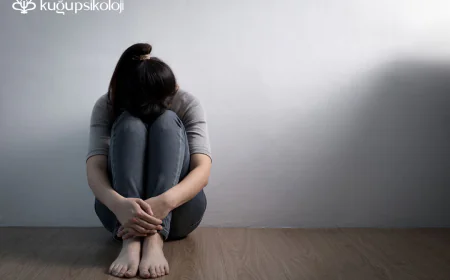
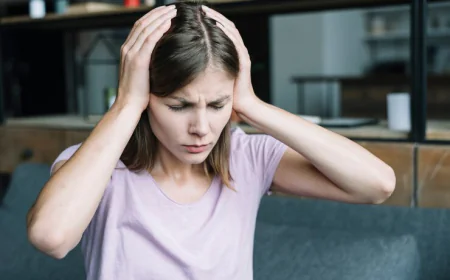
Depression is far more than a fleeting feeling of sadness; it is an episodic disorder characterized by significant deterioration in affect, cognition, and neurovegetative functions. Triggered by a complex interplay of biological, psychological, social, and familial risk factors, depression impairs an individual's perception, behavior, and physical health.
Clinically, it manifests as a state of deep sorrow, anxiety, and a slowdown in physiological functions, accompanied by feelings of worthlessness, powerlessness, and pessimism.
Types and Symptoms of Depression
Mood disorders are generally categorized into two main types: Bipolar Disorder and Depressive Disorders. Unlike depression, Bipolar Disorder involves sudden highs (mania) and lows. The most known forms of depression include Major Depressive Disorder, Dysthymic Disorder, Reactive Depression, Seasonal Affective Disorder, Premenstrual Dysphoric Disorder, and Postpartum Depression.


Common symptoms of depressive disorders include:
-
Depressed mood, sadness, and anxiety.
-
Loss of interest and pleasure in daily life.
-
Hopelessness, pessimism, and feelings of helplessness.


-
Fatigue, loss of energy, and psychomotor retardation.
-
Excessive preoccupation with work, family, money, or health problems.
-
Thoughts of suicide or suicide attempts.
-
Decreased concentration, forgetfulness, and indecisiveness.
-
Alcohol or substance abuse.
-
Unexplained physical symptoms or worsening of existing illnesses.
Prevalence and Gender Factors
Data suggests that depression is more common in women than in men. However, experts believe this discrepancy may stem from social taboos that prevent men from opening up and recognizing their own emotional states.
In children, diagnosing depression can be difficult as they often lack the emotional maturity to express their feelings, leading to gaps in prevalence data for younger demographics.
Treatment Methods and Solutions
Treatment protocols vary depending on whether the depression is mild, moderate, or chronic/severe.
-
Psychotherapy: The primary method for treatment, helping individuals restructure their thought patterns.
-
Medication: Used in cases where psychotherapy alone is insufficient, particularly for severe or chronic depression.
-
Alternative and Self-Help: Methods such as yoga, massage, and guided self-help are also utilized. Guided self-help involves a professional assisting the individual through their recovery journey.
Experts recommend lifestyle changes to cope with depression, such as establishing a sleep routine, exercising, avoiding alcohol and substances, and improving social skills. Seeking support from an online psychologist can also accelerate recovery and improve quality of life.
Source: OnlinePsikoloji.com
 Like
0
Like
0
 Dislike
0
Dislike
0
 Love
0
Love
0
 Funny
0
Funny
0
 Wow
0
Wow
0
 Sad
0
Sad
0
 Angry
0
Angry
0

Editör | Medicentertv.com, uzman doktorlar, psikologlar ve sağlık profesyonellerinin bilimsel görüşlerini; tıp dünyasındaki yenilikleri, hastane sektöründeki gelişmeleri ve güncel sağlık haberlerini doğru, tarafsız ve güvenilir habercilik anlayışıyla sunar. Uluslararası sağlık haberciliği ilkeleri doğrultusunda, resmî açıklamalar, yeni nesil sağlık uygulamaları ve tıbbi veriler analiz edilerek kamuoyuna aktarılır.















Comments (0)