



Child Headaches Are Rising: What’s Benign—and What’s a Red Flag?
Childhood headaches are climbing, driven by screens, sleep loss, and stress. Here’s how to recognize red flags, common causes, and the steps parents should take—according to pediatric neurology experts.


Child Headaches Are Rising: What’s Benign—and What’s a Red Flag?
MEDICENTER TV / ISTANBUL, TÜRKİYE
Why Pediatric Headaches Are Becoming More Common
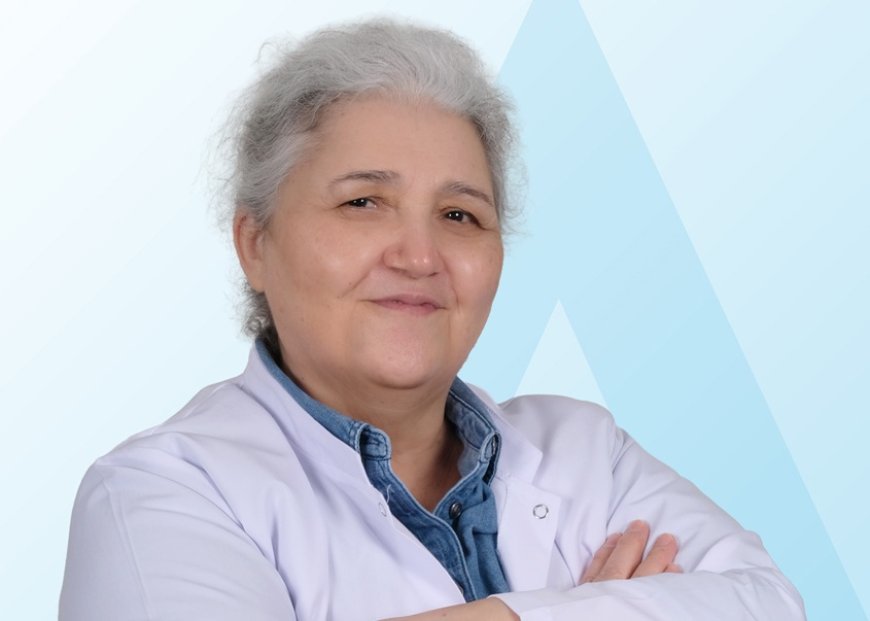
Extended screen time, irregular sleep, school pressure, and suboptimal nutrition are driving a surge in headache complaints among children. Pediatric Neurologist Prof. Dr. Nur Aydınlı of Acıbadem University Atakent Hospital notes that headaches have become a widespread health issue in school-age youth: primary-school children experience headaches at least occasionally in roughly half of cases, while two-thirds of adolescents report recurrent episodes. While many headaches are linked to simple triggers such as hunger or dehydration, others may signal underlying medical problems and require prompt evaluation.
Most Frequent Causes in Children
-
Sleep and Nutrition Gaps: Inadequate or inconsistent sleep, skipped meals, and low fluid intake are classic triggers. Restoring a regular sleep schedule and balanced nutrition often reduces attack frequency.
-
Psychological Stress and Anxiety: Academic strain, peer conflicts, or family stress can precipitate headaches; in some cases, supportive parenting strategies and psychological counseling are warranted.
-
Migraine: Common in children, migraine pain is throbbing—often unilateral—and may be accompanied by light/sound sensitivity and nausea. Typical triggers include stress, fasting, and poor sleep.


-
Vision Problems and Digital Eye Strain: Incorrect prescriptions, prolonged screen exposure, or undiagnosed eye conditions can provoke headaches; routine vision checks are essential for school-age children.
-
Tension-Type Headache: Among the most prevalent forms, typically described as a tight “band” around the head; associated with stress, posture issues, and psychological strain.
-
Sinusitis and Infections: Inflamed sinuses cause facial/forehead pain and often coincide with nasal congestion and upper-respiratory symptoms.
-
Head Trauma and Organic Causes: Post-traumatic headaches or those caused by increased intracranial pressure—and, rarely, tumors—demand urgent, comprehensive assessment.


When to See a Doctor Without Delay
Prof. Dr. Aydınlı emphasizes seeking pediatric neurology care—or the nearest medical facility—if any of the following warning signs appear:
-
Sudden, severe onset (“worst headache”) or a progressively worsening pattern
-
Headache with repeated vomiting, marked nausea, vision changes, or altered consciousness
-
Night-time headaches that wake the child or headaches that are worse in the morning
-
Headache following head injury
-
No response to appropriately dosed pain relievers
-
High frequency (e.g., two or more episodes per week)
Common Mistakes That Prolong the Problem
-
Casual painkiller use: Over-the-counter medications taken too often or at incorrect doses can lead to medication-overuse headaches.
-
Minimizing persistent symptoms: Dismissing frequent or severe headaches as “just stress” delays diagnosis and effective management.
-
Ignoring stressors: Overlooking academic, social, or family stress can entrench headache patterns and impede recovery.
A Practical Action Plan for Families
-
Rebuild routines: Encourage age-appropriate bedtimes, regular meals, and adequate hydration; keep caffeine and high-sugar snacks in check.
-
Practice screen hygiene: Apply the 20-20-20 rule (every 20 minutes, look at something 20 feet/6 meters away for 20 seconds), use proper lighting, and schedule device breaks.
-
Track triggers: Maintain a brief headache diary noting timing, duration, associated symptoms, and potential triggers (sleep, screens, meals, stressors).
-
Choose the right specialist: Arrange a vision exam for school-age children and seek pediatric neurology input for recurrent or concerning headaches.
-
Use medications safely: Follow clinician guidance on dosing and, where indicated, consider preventive strategies tailored to the child’s pattern and comorbidities.
Clear communication between families, schools, and clinicians helps identify triggers early and prevents unnecessary disability days. With basic lifestyle adjustments, timely evaluation of red flags, and evidence-based treatment, most children can return to full function and reduce headache burden substantially.
 Like
0
Like
0
 Dislike
0
Dislike
0
 Love
0
Love
0
 Funny
0
Funny
0
 Wow
0
Wow
0
 Sad
0
Sad
0
 Angry
0
Angry
0

Editör | Medicentertv.com, uzman doktorlar, psikologlar ve sağlık profesyonellerinin bilimsel görüşlerini; tıp dünyasındaki yenilikleri, hastane sektöründeki gelişmeleri ve güncel sağlık haberlerini doğru, tarafsız ve güvenilir habercilik anlayışıyla sunar. Uluslararası sağlık haberciliği ilkeleri doğrultusunda, resmî açıklamalar, yeni nesil sağlık uygulamaları ve tıbbi veriler analiz edilerek kamuoyuna aktarılır.
















Comments (0)