



Are Gapped Teeth Truly Harmless or a Hidden Dental Concern?
This article explores the causes, implications, and treatment options for diastema (gapped teeth), highlighting expert insights from Dr. Işıl Doğruer at Istanbul Okan University Dental Hospital.


Are Gapped Teeth Truly Harmless or a Hidden Dental Concern?
MEDİCENTER TV / TÜRKİYE
When a Charming Smile Might Be a Sign of an Oral Health Issue
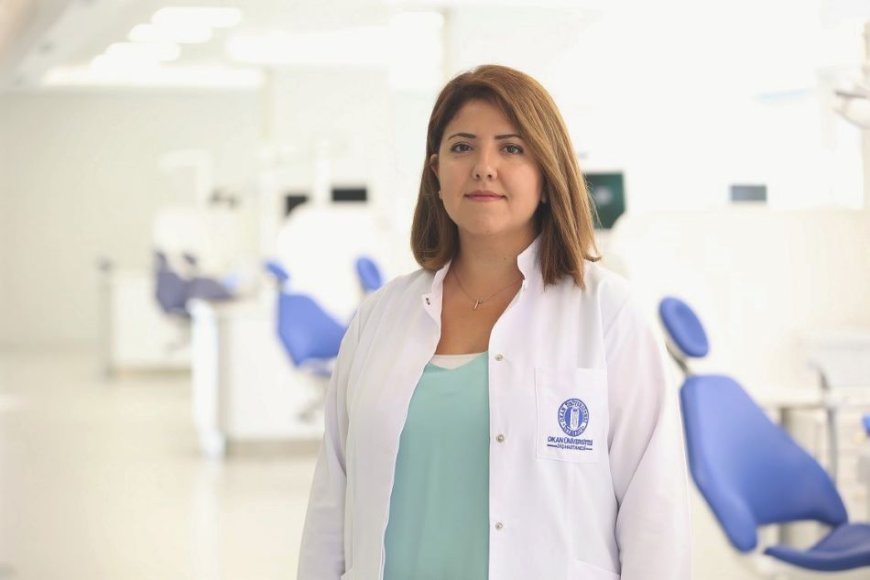
Gapped teeth, often perceived as a quirky and charming trait, can sometimes indicate more than just a cosmetic difference. Known medically as diastema, this condition—typically seen between the two upper front teeth—can stem from a variety of causes, including genetic factors, discrepancies in tooth-to-jaw ratios, abnormal lip attachments, and childhood habits like prolonged thumb sucking. According to Dr. Işıl Doğruer of Istanbul Okan University Dental Hospital, it's essential not to dismiss diastema as merely aesthetic; in some cases, it may reflect underlying dental or orthodontic problems that require clinical attention.
What Causes Diastema?
Though diastema may seem minor, its root causes can be complex and multifactorial. Contributing factors include:
-
Mismatched jaw and tooth sizes
-
Excessively large or thick labial frenulum (the tissue attaching the upper lip to the gums)


-
Harmful oral habits in early childhood
-
Periodontal disease weakening the support of teeth
-
Structural jaw misalignment or tongue thrusting behavior
In certain cases, a tooth gap may be the outward sign of a developing orthodontic issue that could affect speech, chewing, and bite balance if left untreated.


The Functional Side of a Cosmetic Issue
While many associate diastema solely with aesthetics, wider gaps between the teeth can result in several functional impairments. Dr. Doğruer notes that in some patients, diastema may lead to:
-
Speech difficulties such as lisps
-
Inefficient chewing due to misalignment
-
TMJ (temporomandibular joint) stress caused by an imbalanced bite
-
Progressive shifting of teeth, worsening the gap over time
These issues are often subtle at first, making routine dental evaluations key to early detection and intervention.
Modern Treatment Options for Gapped Teeth
The treatment plan for diastema depends on the patient's age, the cause of the gap, oral structure, and personal preferences. Popular treatment approaches include:
-
Orthodontic correction: Traditional braces or clear aligners like Invisalign can gradually close the gap.
-
Composite bonding: A quick and non-invasive option where tooth-colored resin is used to fill the space.
-
Porcelain veneers: Thin ceramic shells placed over the teeth to achieve a uniform appearance.
-
Frenectomy: Surgical removal or modification of the upper lip’s frenulum if it restricts normal spacing.
For children and adolescents, treatment timing is critical due to ongoing jaw development. Early diagnosis often leads to simpler and more effective solutions.
Dental Checkups Are More Than Just Cleanings
While a tooth gap might be visually obvious, its cause and impact are not always immediately clear. Dr. Doğruer emphasizes the importance of regular dental checkups—not just to monitor diastema but to detect less visible issues like early gum disease, alignment problems, and potential bite dysfunction. Preventative care plays a key role in maintaining both oral health and facial aesthetics.
Is the Tooth Gap Trend a Health Risk in Disguise?
Celebrities and models have popularized gapped teeth as a symbol of individuality and style. However, beneath this trend can lie dental challenges that should not be ignored. If you or your child has a visible gap, it's worth consulting with a dental professional to determine whether the condition is benign or a red flag for future complications.
A smile is more than just a statement—it's a reflection of your overall health. Knowing what your teeth are telling you could be the first step toward preserving your well-being.
 Like
0
Like
0
 Dislike
0
Dislike
0
 Love
0
Love
0
 Funny
0
Funny
0
 Wow
0
Wow
0
 Sad
0
Sad
0
 Angry
0
Angry
0

Editör | Medicentertv.com, uzman doktorlar, psikologlar ve sağlık profesyonellerinin bilimsel görüşlerini; tıp dünyasındaki yenilikleri, hastane sektöründeki gelişmeleri ve güncel sağlık haberlerini doğru, tarafsız ve güvenilir habercilik anlayışıyla sunar. Uluslararası sağlık haberciliği ilkeleri doğrultusunda, resmî açıklamalar, yeni nesil sağlık uygulamaları ve tıbbi veriler analiz edilerek kamuoyuna aktarılır.


















Comments (0)