



Stroke warning: Watch for sudden loss of strength and speech difficulties
Prof. Dr. Engin Çakar highlighted that 150,000 people suffer strokes annually in Turkey. Experts emphasize that early intervention and robotic rehabilitation can prevent permanent damage.
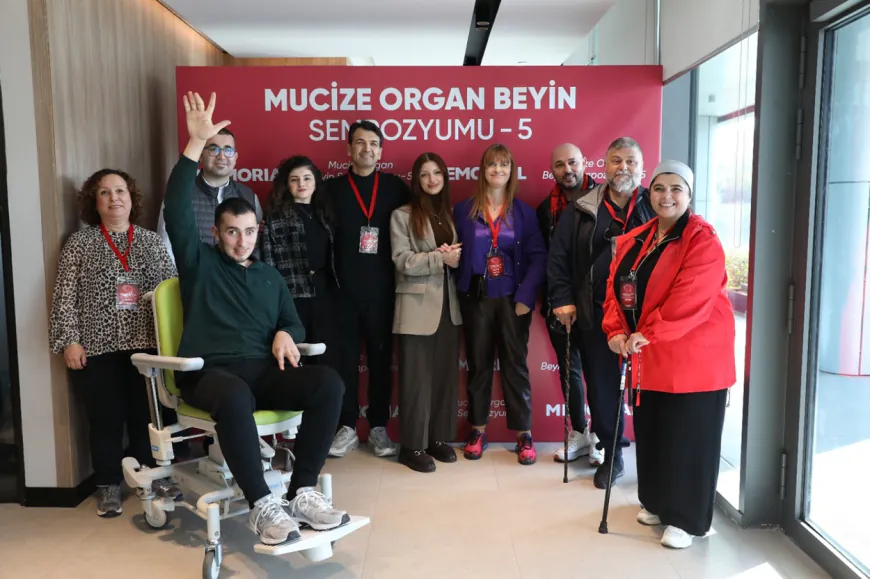


MEDICENTER TV / ISTANBUL, TURKEY — DEC. 12, 2025
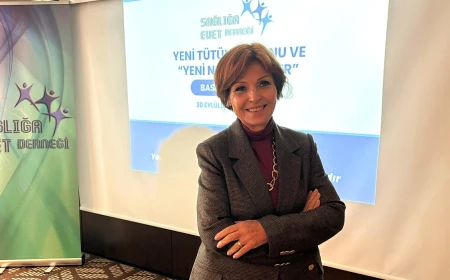
Prof. Dr. Engin Çakar, Head of the Neurorehabilitation and Robotic Physical Therapy Center at Memorial Şişli and Göztepe Hospitals, warned that stroke is a sudden-onset condition requiring immediate intervention, affecting approximately 150,000 people in Turkey every year.
Speaking at the 5th "Miracle Organ Brain Symposium," Dr. Çakar highlighted that while stroke ranks among the top causes of death globally, modern treatment methods and robotic technologies are enabling patients to regain their independence.
Critical symptoms and the golden hour
Defining stroke as a condition caused by a blockage of blood flow to the brain or bleeding in brain vessels, Prof. Dr. Çakar listed the urgent symptoms that require immediate medical attention:
"Symptoms such as sudden loss of strength in the body, numbness, and difficulty in speaking or understanding appear abruptly. While some signs of paralysis can be reversed, failure to provide appropriate and rapid treatment often leads to permanent damage. Timely intervention not only increases the chance of survival but also significantly reduces the risk of permanent disability."


Walking robots are getting patients back on their feet
Dr. Çakar emphasized that it is possible for paralyzed patients to escape being bedridden with early intervention. He noted that a multidisciplinary approach led by a physical therapy and rehabilitation physician—accompanied by physiotherapists, occupational therapists, and speech-swallowing therapists—is crucial.
"Thanks to personalized physical therapy methods, neurorehabilitation techniques, and hand-arm and walking robots, we can restore walking abilities and fine motor skills. Consequently, a significant portion of patients recover from bed dependence and achieve partial or full independence," he added.
"Stroke was my turning point"
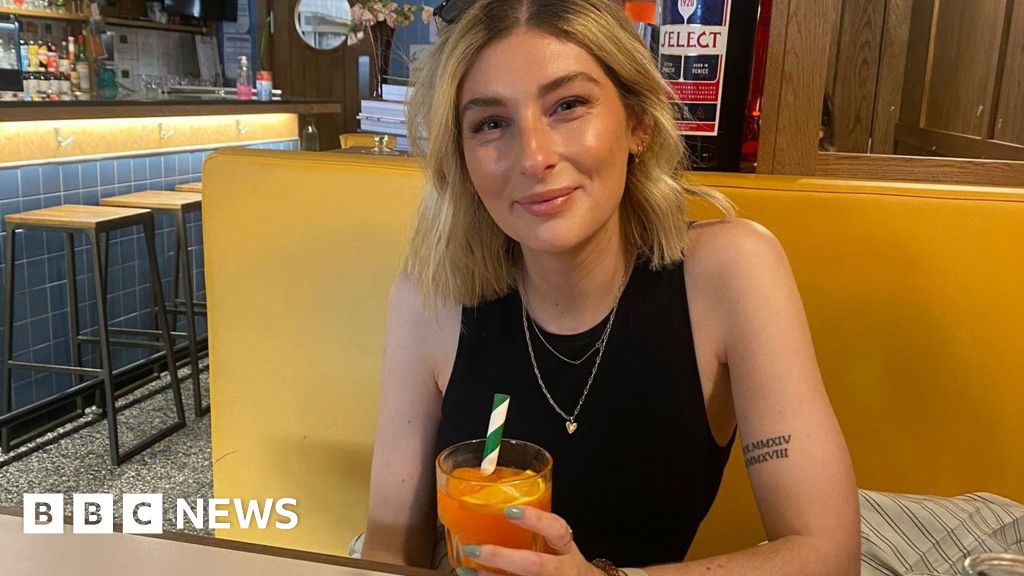
The symposium also featured inspiring stories from patients who have recovered. Sude Yılmaz, who suffered a stroke at the age of 16 and was bedridden for a long time, shared her journey of returning to life with the treatment applied by Prof. Dr. Engin Çakar and his team.
Now 22, Yılmaz described her experience: "I suffered a brain hemorrhage at a very young age. After the second hemorrhage, I was completely paralyzed. I couldn't walk, see, or move. A period like 'Before Christ' and 'After Christ' began for me. The 'After' period was a long process where I learned to walk, talk, and know myself again."


Yılmaz concluded with a powerful message: "While stroke is initially a struggle for life, it later becomes a war for freedom. Do not be the one waiting for defeat, be the one choosing to fight to win."
"Don't lose hope, believe in the treatment"
Another patient, 52-year-old Armağan Erdoğan, who suffered a brain hemorrhage at his workplace in 2018, shared his recovery story. After a long stay in intensive care, Erdoğan began special neurorehabilitation treatment.
"I completed my treatment by becoming able to walk with a cane. Now, I can continue my life, walk freely without assistance, drive a car, and look after my home. I even started swimming last summer. No one should give up; everyone should believe in the treatment and fight until the end," Erdoğan said.
 Like
0
Like
0
 Dislike
0
Dislike
0
 Love
0
Love
0
 Funny
0
Funny
0
 Wow
0
Wow
0
 Sad
0
Sad
0
 Angry
0
Angry
0

Editör | Medicentertv.com, uzman doktorlar, psikologlar ve sağlık profesyonellerinin bilimsel görüşlerini; tıp dünyasındaki yenilikleri, hastane sektöründeki gelişmeleri ve güncel sağlık haberlerini doğru, tarafsız ve güvenilir habercilik anlayışıyla sunar. Uluslararası sağlık haberciliği ilkeleri doğrultusunda, resmî açıklamalar, yeni nesil sağlık uygulamaları ve tıbbi veriler analiz edilerek kamuoyuna aktarılır.













Comments (0)