



Half the World’s Population Could Be Nearsighted by 2050
Digital lifestyles are accelerating myopia rates globally. Experts warn that by 2050, half of the world’s population may suffer from nearsightedness. Awareness and lifestyle changes are crucial.
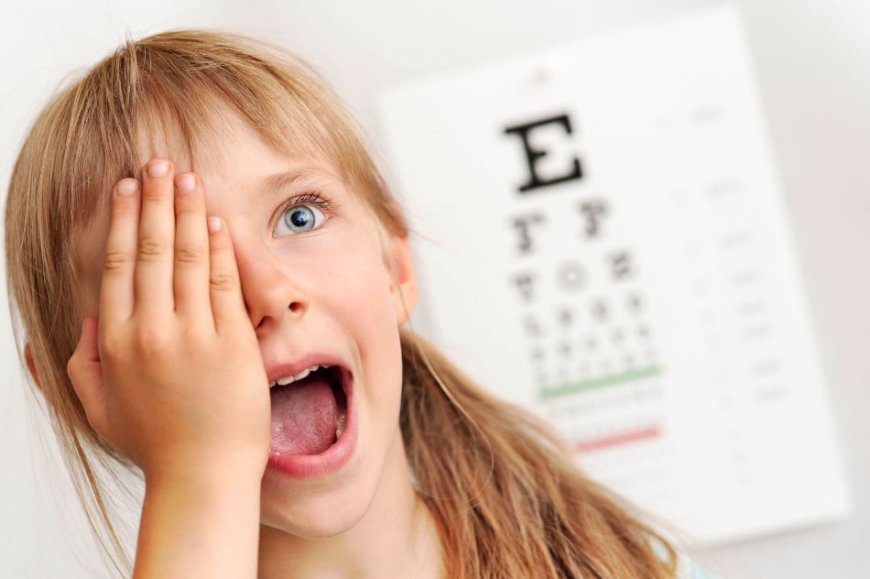


Half the World’s Population Could Be Nearsighted by 2050
MEDICENTER TV / TÜRKİYE
Myopia Emerges as a Global Silent Epidemic Amid Digital Boom
The growing use of smartphones, tablets, and computers among children is fueling a worldwide surge in myopia cases, turning a once minor vision issue into a looming public health crisis. As Myopia Awareness Week is marked from May 23–28, experts warn that if current trends continue, nearly half of the world’s population could be living with myopia by 2050.
Assoc. Prof. Dr. Cafer Tanrıverdi, Ophthalmologist at Dünyagöz Etiler Hospital, says: “As time spent on digital devices increases and time outdoors decreases, the incidence of myopia rises sharply. This trend is especially alarming in school-aged children, where the condition may lead to irreversible vision problems in later life.”
Early Screen Exposure Puts Young Eyes at Risk
Dr. Tanrıverdi explains that screen time among children is starting at alarmingly early ages—sometimes as young as infancy. “The age of onset for myopia has dropped to 4–5 years in many children due to constant exposure to digital devices. If parents don’t take preventive measures, visual impairments will become even more widespread in the future,” he cautioned.
Encouraging children to play outdoors, he notes, can significantly reduce the risk. “Spending time outside, under natural light, helps protect children’s vision. However, current treatment methods alone are insufficient. Without behavioral changes at home and societal level, this trend may lead to a generational vision crisis.”


Urban Living and Education Systems Worsen the Problem
While genetic predisposition plays a role in myopia development, lifestyle factors are increasingly influential. Dr. Tanrıverdi says urbanization, reduced physical activity, and academically intense education systems contribute to the escalating prevalence.
“In Eastern countries, myopia is a far greater threat compared to the West, partly due to more exam-focused education and less emphasis on physical activities,” he notes.
Myopia Is Now a Leading Cause of Preventable Blindness
The World Health Organization recognizes high myopia as a significant cause of preventable blindness, particularly in parts of Asia. “High myopia not only affects vision but also increases the risk of conditions like retinal detachment, cataracts, and glaucoma,” says Dr. Tanrıverdi.
Common symptoms include difficulty seeing distant objects clearly, squinting, frequent headaches, and eye fatigue.


Early Awareness and Lifestyle Changes Are Key
To curb the silent epidemic of myopia, public awareness and preventive strategies are critical. “Parents, educators, and health professionals must work together to promote regular eye exams, encourage outdoor play, and limit screen time. Early diagnosis can make a huge difference in managing progression,” Dr. Tanrıverdi emphasized.
Dünyagöz Hospitals Group, established in 1996, is a global leader in eye health with 31 branches across Turkey and international locations in Germany, Georgia, Azerbaijan, Kosovo, Kyrgyzstan, Uzbekistan, and Bulgaria. Treating more than 120,000 international patients annually from 171 countries, it continues to expand, with plans to open 15 additional European clinics by 2027.
 Like
0
Like
0
 Dislike
0
Dislike
0
 Love
0
Love
0
 Funny
0
Funny
0
 Wow
0
Wow
0
 Sad
0
Sad
0
 Angry
0
Angry
0

Editör | Medicentertv.com, uzman doktorlar, psikologlar ve sağlık profesyonellerinin bilimsel görüşlerini; tıp dünyasındaki yenilikleri, hastane sektöründeki gelişmeleri ve güncel sağlık haberlerini doğru, tarafsız ve güvenilir habercilik anlayışıyla sunar. Uluslararası sağlık haberciliği ilkeleri doğrultusunda, resmî açıklamalar, yeni nesil sağlık uygulamaları ve tıbbi veriler analiz edilerek kamuoyuna aktarılır.


















Comments (0)